

What Happened to SNEL11 in 2026?
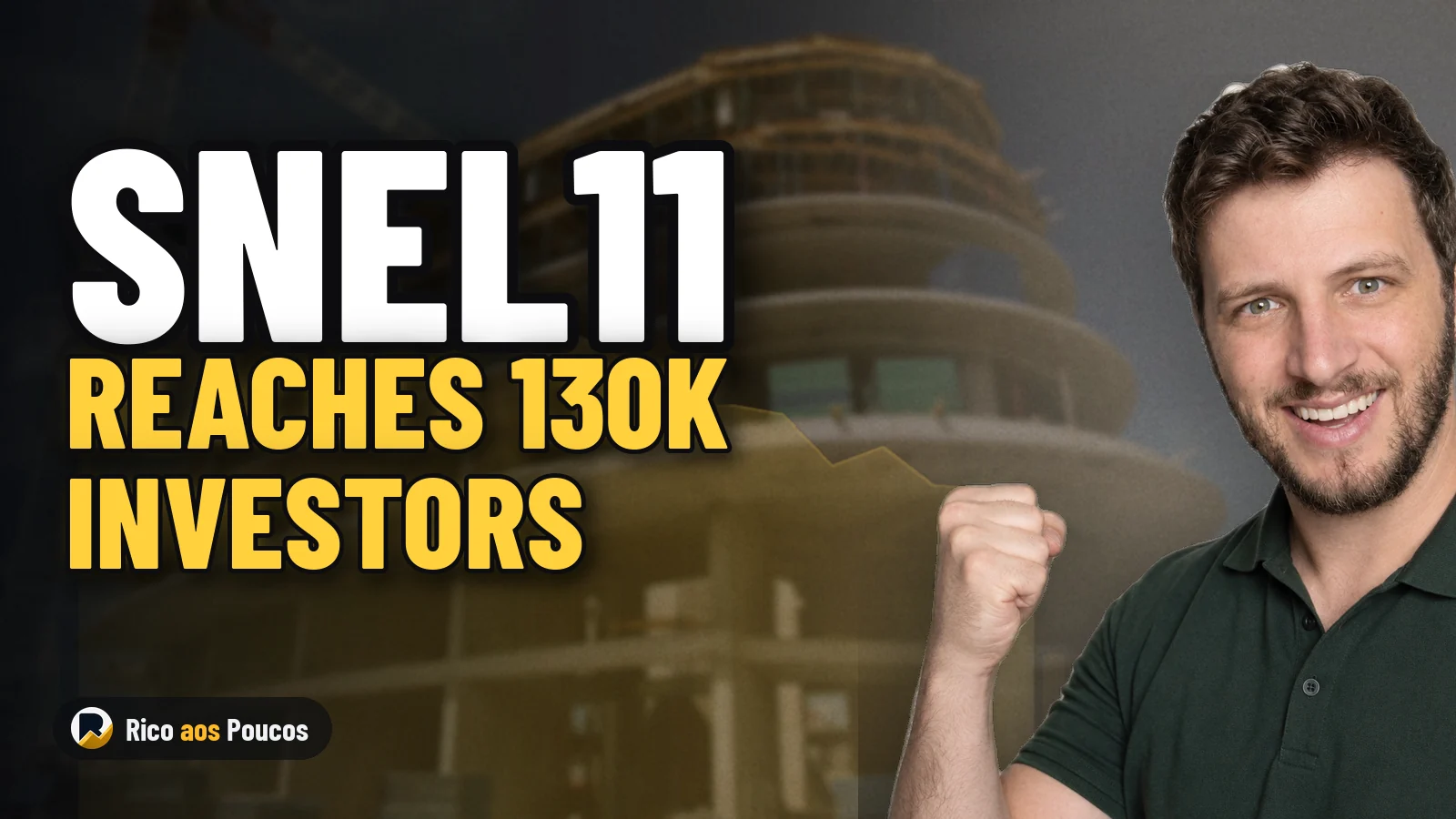
The SNEL11 real estate fund (FII) nearly doubled its unitholder base over the course of 2026, reaching 130,000 investors, according to market data released by Suno Notícias. At the beginning of January, the fund had roughly 65,000 investors, meaning approximately 65,000 newcomers have chosen the asset over the last eight months.
This 100% growth places SNEL11 in a prominent position within the clean-energy fund market. For the retail investor, this trend shows that interest in infrastructure and renewable energy themes within the FII structure has moved past the experimental niche phase and into the portfolios of tens of thousands of Brazilians. This rapid expansion reflects not only the management's distribution efforts but also investor demand for income-generating assets outside the traditional corporate office and logistics warehouse sectors.
Why Has SNEL11 Attracted So Many Investors This Year?
SNEL11's appeal is directly tied to its solar energy business model, which aims to deliver predictable, tax-exempt distributions through the leasing of photovoltaic power plants. Unlike traditional brick-and-mortar FIIs that rely on commercial tenants in major urban centers, SNEL11 invests in the construction and operation of distributed energy generation plants.
The mechanics are straightforward for retail investors: the fund builds solar plants, connects them to the electrical grid, and leases the generation capacity to companies or consortiums looking to lower their utility bills. Because Brazil possesses one of the most promising solar markets in the world and demand for clean, affordable energy continues to grow, investors view this segment as a secular growth theme. Furthermore, consistent distribution payouts throughout 2026 acted as a strong draw during a year marked by fixed-income volatility and macroeconomic uncertainty.
What Changes for Existing Unitholders?
The primary practical benefit of this sharp increase in unitholders is higher daily trading liquidity for SNEL11 units on the Brazilian stock exchange (B3). With 130,000 investors trading the asset, it is significantly easier for retail investors to buy or sell units quickly without having to accept distorted prices caused by a lack of buyers or sellers in the market.
Another relevant factor is the diversification of market risks. As an FII gains scale and attracts more investors, it typically builds the capacity to execute follow-on offerings (unit issuances) more efficiently. With a larger cash position, management can diversify the portfolio by acquiring or building new plants across different regions of the country, reducing its dependence on a single state or energy utility. For investors positioned since the beginning of the year, watching the fund double in size serves as validation of the investment thesis by the broader market.
Keep in mind: While a growing unitholder base is a strong indicator of liquidity and market acceptance, it does not guarantee future returns. Investors should monitor the physical delivery of the plants and the fund's actual cash generation.
What Are the Risks of Investing in Clean Energy Through an FII?
The main risks associated with SNEL11 involve the development and construction phase of the solar plants, alongside weather and regulatory factors that can affect energy generation. Unlike purchasing a completed, leased commercial building, investing in a clean-energy FII often entails "construction risk," where delays in environmental licensing or connecting the plant to the electrical grid can postpone the start of distribution payouts.
There is also the credit risk of the corporate clients leasing these plants. If a partner company faces financial distress and stops paying for the generated energy, the fund's cash flow takes a direct hit. Finally, the nature of solar energy introduces weather-related variables: years with lower solar irradiance or technical issues with photovoltaic panels can reduce generation efficiency, impacting fund revenue. Retail investors must understand that while the thesis is sustainable and attractive, it carries higher operational complexity than a traditional paper FII.
Is It Worth Investing in SNEL11 in 2026?
The decision to invest in SNEL11 at this stage depends on whether you are seeking real diversification for your dividend portfolio and whether you accept the risks of an expanding infrastructure sector. The fund has proven its ability to attract retail investors and deliver consistent results throughout the year, but investors should not buy the asset simply by looking in the rear-view mirror at unitholder growth.
If your goal is a resilient portfolio exposed to long-term utility contracts, SNEL11 emerges as one of the few liquid, structured options available to retail investors on the B3. Even so, monitoring management reports closely is essential to track the delivery schedule of new plants and ensure that the distribution per unit keeps pace with the growth of the fund's net asset value. Smart diversification remains the best tool to mitigate operational risks in this maturing market.
The Verdict
SNEL11's milestone of 130,000 unitholders cements the fund as the primary clean-energy vehicle for retail investors on the B3. The liquidity unlocked by this growth mitigates one of the greatest fears for those entering alternative asset classes. Nonetheless, investors should size their exposure carefully, keeping in mind that the energy sector involves physical development and regulatory dynamics that require patience and close oversight.
