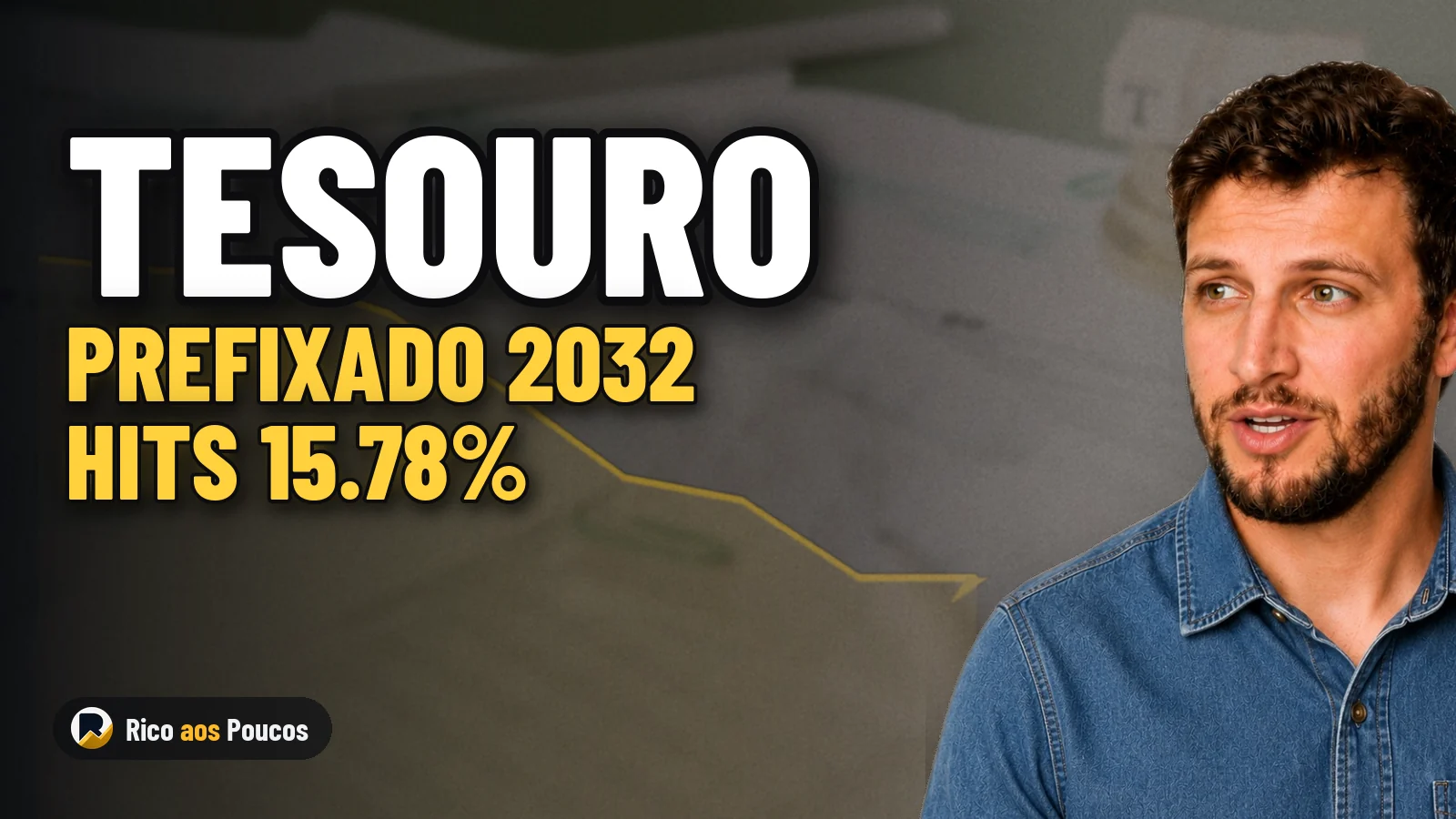


- Unprecedented jump: The Tesouro Prefixado 2032 hit 15.78% per year, surpassing its pandemic-era peak from March 2020.
- Inflation pressure: IPCA+ inflation-linked bonds recorded the second-largest spike in the historical series of Tesouro Direto.
- National Treasury action: The surge occurred despite extraordinary interventions by the National Treasury to contain volatility.
According to data reported by InfoMoney at the market close on October 26, 2026, yields on Tesouro Direto spiked, marking the largest rate opening in the platform's historical series for a post-election period. The move pushed the Tesouro Prefixado 2032 bond to 15.78% per year, surpassing the peak reached during the pandemic shock in March 2020.
Why Did Tesouro Direto Yields Spike to 15.78%?
The financial market's immediate reaction to the election results caused severe stress in the yield curve of Tesouro Direto. According to InfoMoney's survey, the search for protection and the recalibration of risk expectations caused the returns demanded by investors to rise rapidly across all maturities traded on the public platform.
The movement reached its most critical point in the Tesouro Prefixado 2032, with its yield climbing to 15.78% per year. This level exceeds what was observed during the worst moments of financial panic in March 2020, when the onset of the global health crisis triggered the largest rate spike in the country up to that point.
The surge was not limited to fixed-rate bonds alone. The shock also spread forcefully through inflation-linked securities. According to data provided by the source, the Tesouro IPCA+ family posted the second-largest increase in its entire historical series, reflecting a higher risk premium demanded for intermediate and long maturities.
What Changed Since the 2020 Crisis and What Was the Role of the National Treasury?
Unlike previous episodes of volatility, the current surge occurred despite the direct involvement of the public debt authority. To smooth out price fluctuations and prevent disorderly trading during the market opening, the National Treasury intervened, taking extraordinary measures to rebalance the supply and demand for bonds.
Even with the Treasury stepping in on the buy side and adjusting its operational auctions, selling pressure prevailed throughout the day. This behavior highlights the intensity of the adjustment in economic agents' expectations for the trajectory of benchmark interest rates and inflation over the coming years.
Mark-to-Market: What Happens to Investors Who Already Hold These Bonds?
The steep rise in interest rates has a direct, opposite effect on the prices of fixed-income bonds already held in custody. This phenomenon is known as mark-to-market: when rates offered on new bond issuances rise, the unit value of previously issued securities falls to compensate for the difference.
For investors who already hold fixed-rate or inflation-linked bonds in their portfolios, the visible balance on their statements suffered a sharp short-term drop. However, it is essential to distinguish between temporary screen prices and the final contract held with the issuer.
Watch out for mark-to-market: If you sell the bond today before maturity, you will lock in the loss shown on your statement. If you hold your Tesouro Direto bond until its final maturity date, you will receive the exact rate contracted at purchase, regardless of intermediate fluctuations.
How Does This Spike Affect Fixed-Income Investors Right Now?
A fixed rate close to 15.78% per year is attractive due to its high nominal return, but it demands heightened caution regarding maturities. On one hand, locking in returns at this level offers a historically high yield for those seeking long-term fixed income without private credit risk.
On the other hand, in scenarios marked by severe political and macroeconomic volatility, the market cannot rule out further interest rate hikes. Entering long-term bonds during periods of peak stress exposes investors to severe portfolio fluctuations if they need to access their money before the stated maturity date.
If you are looking for immediate security, current conditions favor floating-rate instruments like Tesouro Selic or short-term maturities. Locking in fixed rates at 15.78% or IPCA+ peaks only makes sense for the portion of your portfolio that you are certain you will not need to redeem before 2032.
What to Watch Moving Forward
The fixed-income market will continue to operate under high volatility in the coming days as it digests the electoral landscape. The rates reported by InfoMoney point to an extraordinary moment for public bonds in Brazil, requiring investors to monitor operational and fiscal developments closely.
New National Treasury interventions — Watch whether the institution will conduct additional extraordinary auctions to contain rate fluctuations in the coming days.
Openings and trading suspensions — During periods of extreme volatility, Tesouro Direto may temporarily suspend trading throughout the day to protect investors.
Fiscal policy signals — The behavior of long-term yield curves will depend on initial signals regarding the management of public accounts in the new cycle.
Verdict for Investors
The 15.78% yield on the Tesouro Prefixado 2032 and the highs on IPCA+ bonds represent rare premiums in the recent history of Tesouro Direto. For individual investors, the golden rule right now is to avoid panic selling caused by mark-to-market drops and to maintain disciplined asset allocation: take advantage of elevated rates only with long-term funds, and keep your emergency reserve and liquidity protected in floating-rate investments.