 Reel coming soonBrick funds: the fund that owns buildingsshort video · 9:16
BeginnerBrazilian REITs · Lesson B3.1 · Module B3
Brick funds: the fund that owns buildings
Module B3: The types of FII
In this lesson
- From the lease to you
- The yearly rent adjustment math
- Vacancy: brick's first risk
Brazilian REITs · Lesson B3.1
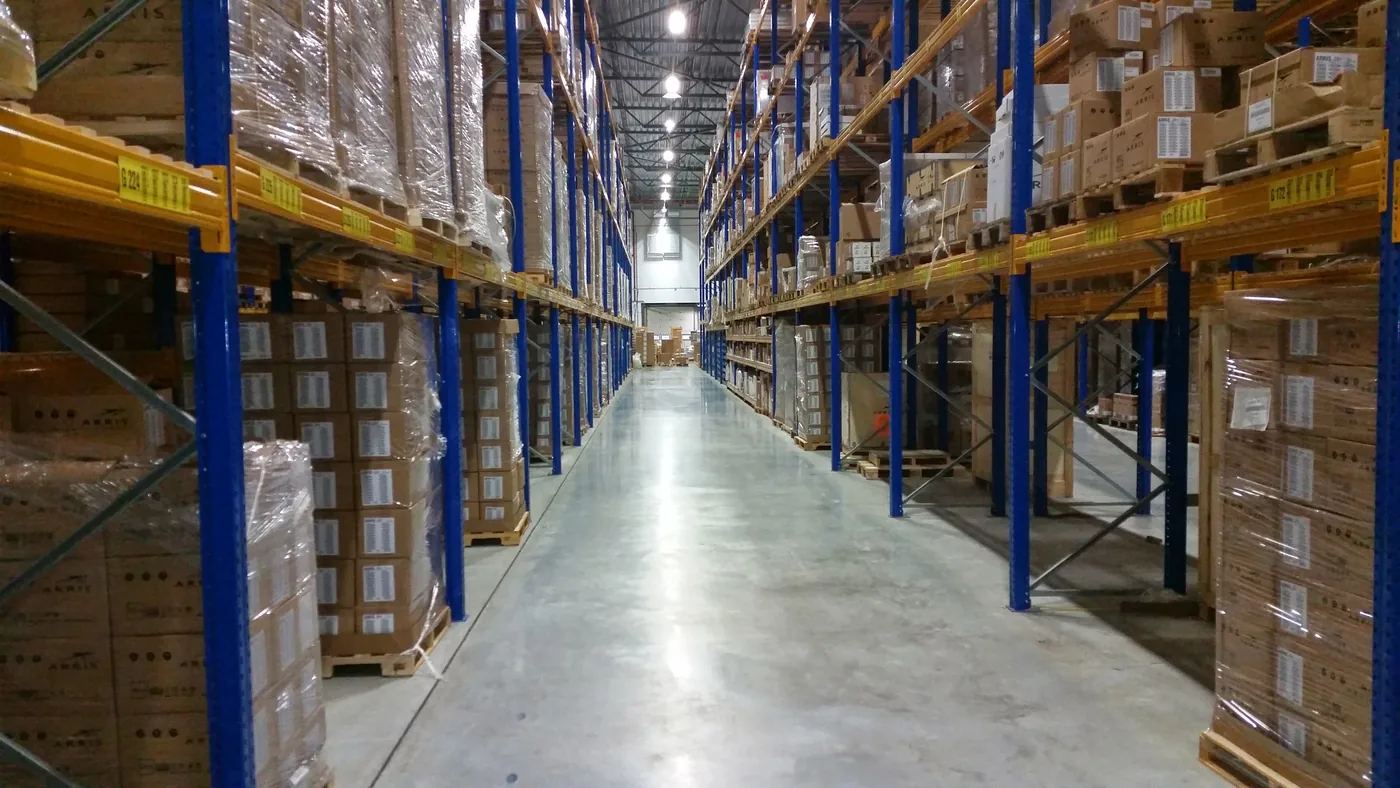
The fund that owns buildings
The income comes from rent — and every kind of property carries a different risk.
Where the income comes from
From the lease to you
- The fund's propertywarehouse, store, office
- Leasetenant, term and adjustment index
- Rentcomes in every month
- Youreceive the income
Malls add a percentage of store sales plus parking revenue.
Do the math
What a warehouse rents for
Illustrative figures. The adjustment index (IPCA or IGP-M) is written in the lease.
The life of a lease
Rent runs on a calendar
- Year 1Signingtenant, amount, term and index
- Every anniversaryAdjustmentrent rises with the index
- End of termRenew or renegotiatethe rent may go up or down
- If they leaveVacancyempty space, zero income from it
Brick's first risk
An empty building pays nobody
of revenue when 1 of 4 identical warehouses goes empty
And costs keep running: condo fees, property tax and upkeep of the empty space stay with the fund.
Opposite risks
Two properties, two kinds of risk
Office floor in an oversupplied area
- Many tenants share the risk
- Competition pushes rents down
- Shorter leases
Warehouse on a 10-year lease
- Predictable income for years
- One tenant: if it leaves, income vanishes
- Rent locked to what the lease says
Remember this
Three ideas from this lesson
- Rental incomeA brick fund owns the buildings and lives on its leases.
- Yearly adjustmentRent rises by the lease's index once a year.
- Vacancy is risk #1And each segment has its own way of going empty.
Quick test · 1 of 2
Where does a logistics FII's income come from?
See answer
Rent. The fund owns the warehouses and collects from tenants every month. CRI interest is how paper funds earn (next lesson).
Quick test · 2 of 2
R$ 1,000,000 rent and a 4% adjustment. What's the new rent?
See answer
R$ 1,000,000 × 1.04 = R$ 1,040,000 per month, from the lease anniversary on.
Lesson complete
Next lesson
 B3.2Beginner · Lesson B3.2Paper funds: the fund that lends moneyNo building to rent: the fund lends, collects interest and depends on the borrower paying.Continue
1 / 11
Use the ← → keys, swipe on your phone or tap the dots.
Image credits
Educational content, written for learners. Not investment advice.