 Reel coming soonWhy you own a share, not the buildingshort video · 9:16
BeginnerBrazilian REITs · Lesson B1.2 · Module B1
Why you own a share, not the building
Module B1: What a FII is
In this lesson
- Fiduciary ownership: owner only on paper
- Why the bank's creditors can't reach the fund
- What your share lets you do, and what it doesn't
FIIs · Lesson B1.2
What if the fund's bank goes bust?
The property is in the administrator's name. It is still yours.
Fiduciary ownership
Owner on paper, not in pocket
- Unitholdersput in the money
- Administratorbuys on the fund's behalf
- Title deedrecords the restriction
- Propertybelongs to the fund
Law 8,668/1993, art. 6: the administrator buys “in a fiduciary capacity”, holding it for unitholders.
Two vaults, one wall
What belongs to the bank stays apart
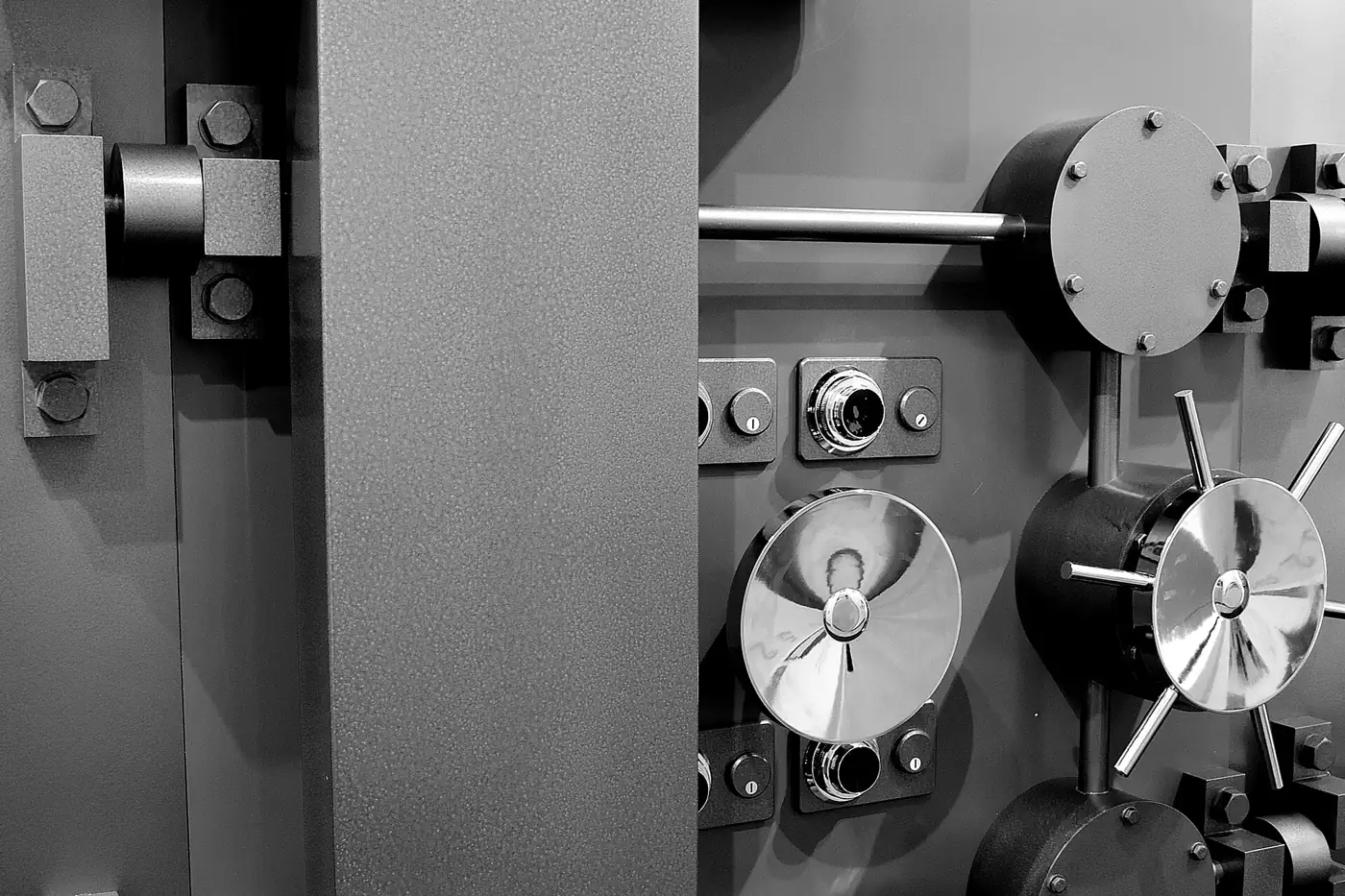
The bank's vault
- The bank's debts
- The bank's creditors
- It can fail
The fund's vault
- The fund's properties
- Rent and income
- Kept apart by law
Law 8,668/1993, art. 7: the fund's assets do not mix with the administrator's own.
By the numbers
The bank fails owing R$ 5 bn
Creditors fight over what the bank owns. The fund's vault stays full.
Illustrative example.
After the failure
The administrator changes, the property stays
- 1 · LiquidationThe bank failsthe Central Bank appoints a liquidator
- 2 · Within 5 business daysMeeting calledthe liquidator summons unitholders
- 3 · VoteNew administratorunitholders choose who takes over
- 4 · RegistryProperties stay in the fundthe minutes are recorded on the deed
Law 8,668/1993, art. 11. The succession is not a transfer of ownership (CVM Resolution 175, Annex III, art. 34 § 5).
A share is not a deed
What your share gives you — and what it doesn't
You can
- Get your slice of the income
- Vote at the meeting
- Sell the share on the exchange
You can't
- Ask the fund to redeem it
- Use or occupy the building
And you're not liable for the property's debts: you only pay for the shares you bought. Law 8,668/1993, arts. 2 and 13.
The common mistake
“A REIT is a bet on the bank”
Your risk is the real estate business — empty space, tenants who don't pay — not the administrator's balance sheet.
Keep this
Three takeaways
- Owner on paperThe administrator holds the properties in a fiduciary capacity, for unitholders.
- Ring-fenced assetsThe administrator's creditors can't reach the fund's properties.
- A share, not a deedYou earn, vote and sell on the exchange — but you can't redeem or use the building.
Quick quiz · 1 of 2
The administrator went into liquidation. What about the properties?
See answer
They stay in the fund. Under Law 8,668/1993 (arts. 7 and 11), the assets don't mix with the administrator's, and unitholders pick the replacement.
Quick quiz · 2 of 2
You want out of the fund. How do you get your money?
See answer
Sell on the exchange. An FII is a closed-end fund: there is no redemption, and unitholders have no right over the building itself.
Lesson complete
Next lesson
 B1.3Beginner · Lesson B1.3Where does the monthly income come from?From the tenant's rent to cash in your account — math included.Continue
1 / 12
Use the ← → keys, swipe on your phone or tap the dots.
Image credits
- Buffy May · Wikimedia Commons · CC BY-SA 2.0 — Wikimedia Commons
- Luiz Pantoja · Wikimedia Commons · CC BY 2.0 — Wikimedia Commons
Educational content, written for learners. Not investment advice.